
Author
Rezoyan Mahfuz
Publish Date
April 10, 2026
Latest Update
April 15, 2026
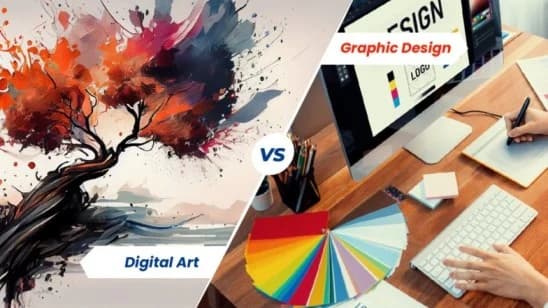
Digital art and graphic design share a foundation in digital tools and technology but diverge in focus and intent. Both involve creating visual compositions using software and hardware, but digital art prioritizes artistic expression, self-discovery, and emotion, often needing a specific commercial goal.
The main difference between Digital Art vs Graphic Design lies in their intent: digital art prioritizes artistic expression, while graphic design focuses on functional communication through visually appealing designs.
Graphic design, on the other hand, emphasizes clear communication, problem-solving, and functionality, aiming to convey messages or promote products effectively to a target audience.
Although digital art explores various creative styles and subjective interpretations, graphic design adheres to design principles like layout, typography, and color theory to create visually appealing and purposeful materials. Both fields leverage digital capabilities, but digital art is driven by creativity, while graphic design thrives on communication and strategic visual solutions.
Table of Contents
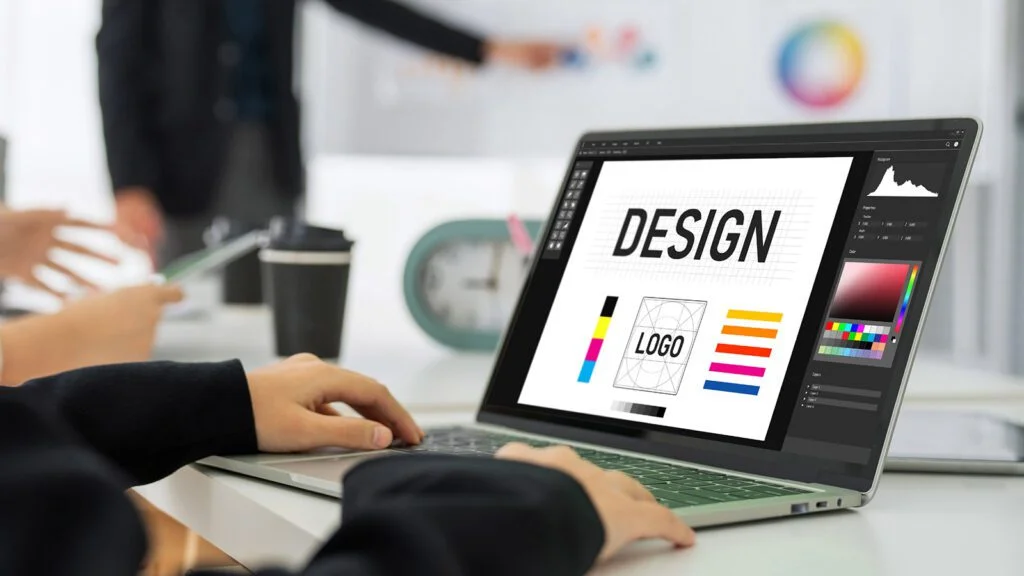
Graphic design is a visual communication discipline encompassing the strategic arrangement of elements such as typography, imagery, color, and layout to convey messages, ideas, or information.
It involves crafting visually appealing and effective materials with a specific purpose, often to promote products, services, or concepts.
Graphic designers leverage their expertise to create compelling visuals that capture attention, facilitate understanding, and elicit desired responses from target audiences.
Through applying design principles, they navigate the intricate balance between aesthetics and functionality, ensuring that each piece communicates its intended message clearly and persuasively.
Whether in print or digital formats, graphic design is a powerful tool for shaping perception, influencing behavior, and enhancing visual communication across various media platforms.
Do you think graphics design is hard? If you want to know more about it then read our article. Let’s discuss all the details and you will get a better idea.
Similar Post: Is Graphic Design Hard?- The Design Career Guide
Graphic design is guided by essential tools and principles that enable designers to create visually compelling communication materials.

Graphic artists work with clients, stakeholders, or creative teams to understand project goals and requirements.
They then employ their skills to conceptualize and create designs that align with the intended message and target audience.
This involves using various tools, such as computer software, typography, imagery, and color, to craft layouts for multiple media, including print, digital, and multimedia formats.
Key responsibilities of a graphic artist include:
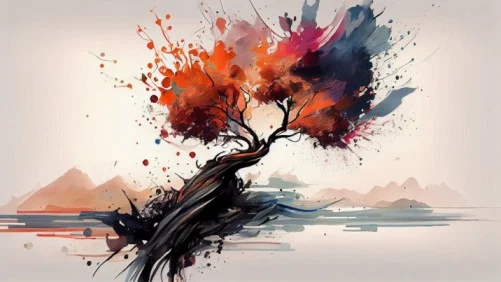
Digital art is creations produced using digital technologies like computers, software, and digital input devices.
It encompasses various visual mediums, including digital painting, illustration, 3D modeling, animation, digital photography, and more. Unlike traditional art forms that use physical materials like paint, canvas, and clay, digital art is created and manipulated using electronic devices and software applications.
Digital artists utilize various tools and techniques to create their work, such as drawing tablets, graphic design software, 3D modeling programs, and animation software.
They can create intricate and detailed artwork and easily edit and revise it digitally. This medium offers a high degree of flexibility, enabling artists to experiment with different styles, colors, and effects without the constraints of traditional materials.
Here are some key tools commonly used in digital art:
Drawing tablets provide a direct and natural way for artists to create digital art using a stylus that emulates traditional drawing utensils. Pen displays combine a screen with touch sensitivity, allowing artists to draw directly on the screen, simulating the experience of drawing on paper.
Software applications like Adobe Photoshop, Corel Painter, and Clip Studio Paint are widely used by digital artists. These applications offer a plethora of brushes, tools, and features that mimic traditional art techniques while providing the advantages of digital editing and manipulation.
Programs such as Adobe Illustrator and Inkscape are used for creating vector-based art. This type of art is based on mathematical equations, allowing for infinitely scalable and editable designs.
Artists interested in 3D digital art use software like Blender, Maya, or ZBrush to create three-dimensional objects, characters, and environments. This is particularly relevant in animation, game design, and visual effects.
These programs, such as Procreate, ArtRage, and Krita, specialize in replicating traditional painting techniques in a digital environment. Artists can choose from various brushes and textures to achieve specific effects.
For creating animated digital art, software like Adobe Animate, Toon Boom Harmony, and Blender animation tools can bring still images to life.
While not exclusive to digital art, software like Adobe Photoshop is frequently used for retouching, compositing, and manipulating digital images to create unique artwork.
Digital artists in 3D art often use rendering software like Blender’s Cycles or Autodesk’s Arnold to simulate lighting, shading, and materials in a three-dimensional space.
For artists who incorporate traditional elements into their digital work, digital cameras and scanners help capture physical drawings, paintings, or textures, which can be integrated into digital compositions.
Some artists create digital art directly on touch-enabled devices like iPads using apps like Procreate. Online platforms also provide collaborative spaces and tools for making digital art in a shared environment.
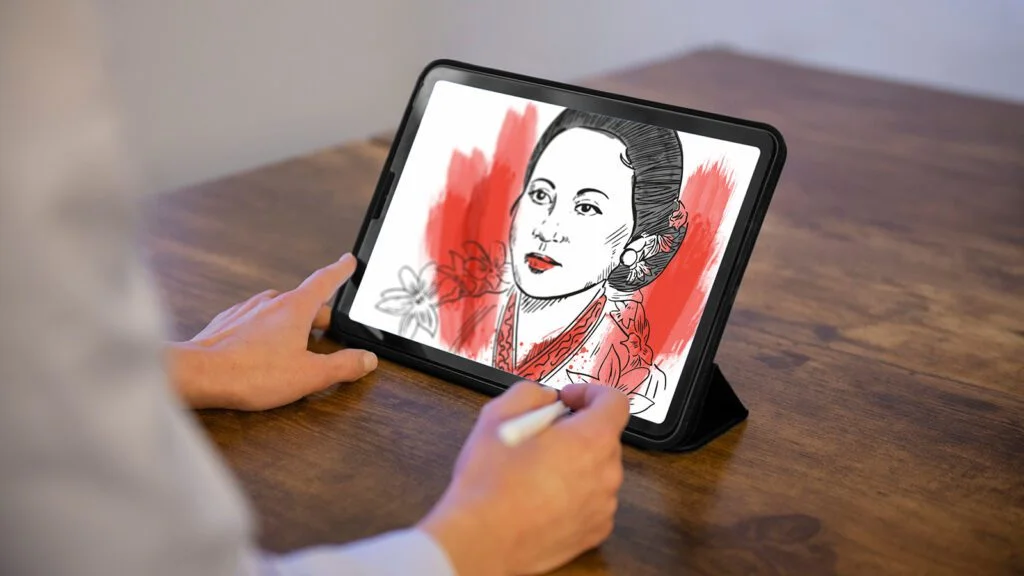
A digital artist utilizes digital technologies and tools to create visual artworks, illustrations, designs, and animations. Their work is rooted in creativity, innovation, and technical skill. Digital artists employ software, hardware, and artistic techniques to produce digital creations.
Digital artists may
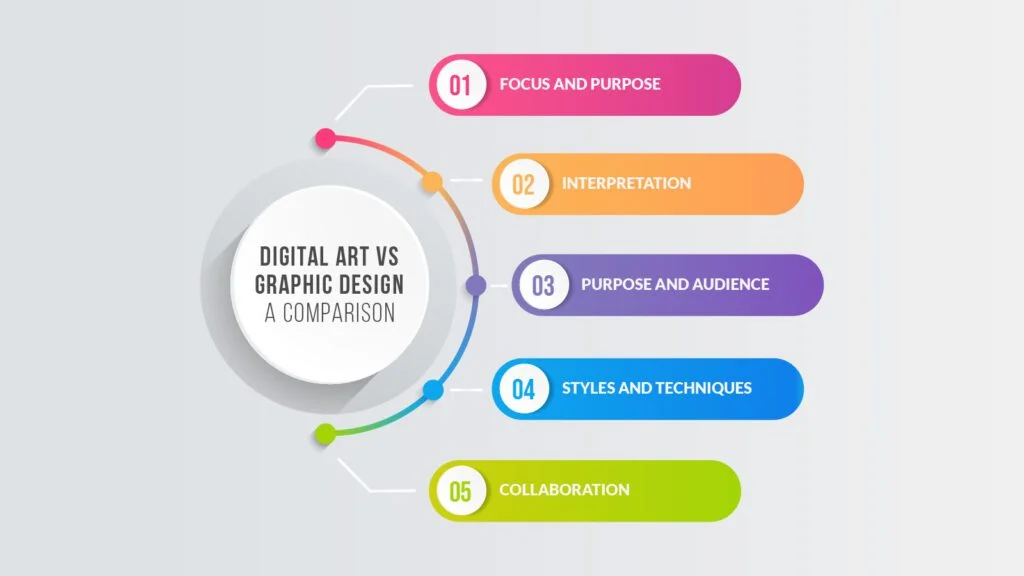
Graphic design is dedicated to the strategic visual communication of specific messages or information to a designated audience.
This discipline is functional, concentrating on the skillful resolution of visual communication challenges. Graphic designers leverage their expertise in layout, typography, color theory, and hierarchy to craft visuals that effectively convey messages, promote products, or present information clearly and compellingly.
While digital art thrives on subjective interpretation and aesthetic exploration, graphic design thrives on objective communication and problem-solving to create meaningful and purposeful visual solutions.
Digital art provides a canvas for subjective interpretation and artistic exploration. The intricate interplay of colors, forms, and textures invites viewers to delve into their unique perspectives, sparking a broad spectrum of emotions and ideas.
The artist’s intent often intertwines with the viewer’s imagination, creating a kaleidoscope of meanings. The resulting interpretations can be as diverse as those experiencing the artwork, fostering a rich tapestry of personal connections.
On the other hand, graphic design follows a different trajectory, aiming for a lucid and objective mode of communication. Each element within a structure is meticulously curated to convey a precise message or information.
Clarity is paramount, leaving minimal room for ambiguity. Graphic designers deftly wield typography, visual hierarchy, and layout principles to ensure the target audience readily grasps the intended meaning.
Digital art frequently emerges without a predefined commercial objective as a testament to personal creativity and artistic expression. It finds its place in galleries, online platforms, and personal portfolios, serving as a medium for artists to articulate emotions, stories, and concepts.
The absence of a mandatory commercial agenda allows digital artists to explore the boundaries of their imagination freely, creating pieces that are often evocative and thought-provoking.
Conversely, graphic design operates with a distinctly commercial focus, promoting products, services, or ideas. Every design element, from typography to color scheme, is meticulously selected to engage a specific target audience and drive a desired response.
The graphic designer’s toolkit is a conduit for effective communication, ensuring that the visual message resonates clearly and encourages action.
Digital art is a playground of diversity, encompassing an expansive array of artistic styles. Artists freely explore traditional painting, intricate illustration, abstract compositions, and avant-garde experiments.
This boundless realm fosters innovation and uniqueness, encouraging artists to forge paths and create pieces that reflect their innermost visions. The digital medium’s versatility allows for seamless adaptation and exploration across various artistic genres.
Graphic design, on the other hand, operates within a framework of defined design principles. Layout, typography, color theory, and hierarchy are meticulously orchestrated to ensure visually appealing and effective communication materials.
Designers strategically wield these principles to create harmonious compositions that resonate with target audiences. While creative choices remain integral, they are harnessed to convey messages with clarity and impact.
Digital art is frequently a solitary pursuit, wherein the artist’s creative vision and personal expression take center stage. The process revolves around internal exploration, allowing artists to delve deep into their thoughts and emotions without the immediate constraints of external demands.
This autonomy fosters an intimate connection between the artist and their work, often resulting in pieces that bear a distinct imprint of their individuality.
In sharp contrast, graphic design thrives on collaboration and external engagement. Designers work closely with clients, stakeholders, and target audiences to decipher project requirements and objectives.
The iterative process involves feedback, adjustments, and refinement, driven by the necessity to communicate messages and meet specific audience needs effectively. This interactive dialogue ensures that the final design aligns seamlessly with the intended purpose and resonates with the intended viewers.
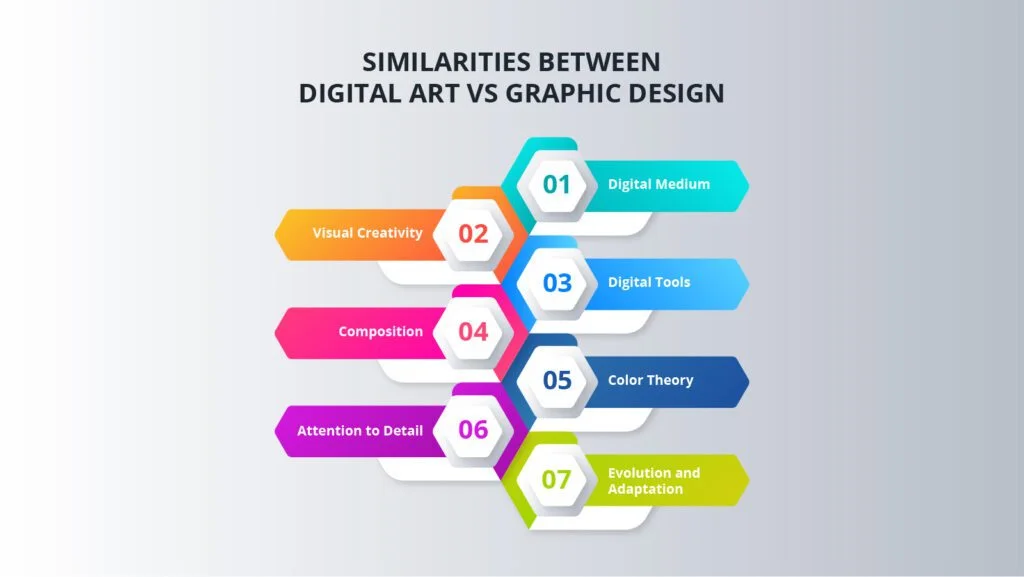
Digital art and graphic design, while distinct in their objectives, share several key similarities due to their everyday use of digital tools and creative processes. These parallels highlight the interconnectedness of these two creative fields:
Both digital art and graphic design harness the power of digital technology for creation. Artists and designers use computers, software applications, and digital input devices to produce their work. The digital medium allows versatility, quick edits, and seamless integration of various elements.
Both fields require a keen eye for aesthetics and artistic creativity. Whether crafting an expressive digital painting or designing a visually impactful poster, professionals in both areas use their creative talents to create compelling compositions.
Digital artists and graphic designers rely on similar software tools, such as Adobe Creative Suite (Photoshop, Illustrator, InDesign) and specialized software for 3D modeling, animation, and more. These tools empower them to manipulate images, colors, typography, and other elements.
Both disciplines involve a strong understanding of composition principles, including balance, contrast, alignment, and hierarchy. Whether arranging elements in a digital painting or designing a website layout, effective composition is essential for conveying messages and aesthetics.
Both fields benefit from a grasp of color theory. Understanding how colors interact and evoke emotions is crucial for digital artists to convey mood and atmosphere in their pieces and for graphic designers to create visually coherent and appealing designs.
In both digital art and graphic design, attention to detail is paramount. Artists and designers meticulously refine their work to ensure accuracy, consistency, and precision in line work, typography, and visual effects.
Both digital art and graphic design have evolved rapidly due to technological advancements. Professionals in both fields must stay updated with the latest tools, software, and trends to remain relevant and competitive. As technology changes, artists and designers adapt their techniques and approaches to harness new possibilities.
Becoming a successful graphic designer or artist requires education, skills, and practical experience. While the specific qualifications can vary depending on the employer, industry, and individual career goals, here are the typical qualifications needed:
Education:
Skills:
Portfolio: Building a solid portfolio showcasing various design projects is crucial. It demonstrates your skills, style, and versatility to potential employers or clients. Include multiple works, such as logos, brochures, websites, illustrations, and other relevant projects.
Experience:
Optional Certifications: While not always required, certifications can enhance your credibility and demonstrate your expertise. Relevant certifications include:
Continuous Learning: Graphic design is a constantly evolving field. Staying updated with new design trends, software updates, and industry best practices is essential for long-term success.
Soft Skills: Strong communication, time management, and collaboration skills are beneficial for working effectively with clients, teams, and stakeholders.
Specializations: Graphic designers and artists often specialize in web design, branding, illustration, animation, user experience (UX) design, or print design. Disciplines can help you focus your skills and cater to specific client needs.
Though formal education is valuable, a strong portfolio, relevant skills, and practical experience are equally crucial for establishing yourself as a successful graphic designer or artist.
The primary distinction lies in their focus and purpose. Digital art emphasizes artistic creativity and personal expression, often without specific functional goals. Graphic design, on the other hand, focuses on communicating messages effectively through visually appealing and available methods, often for commercial purposes.
Yes, there can be overlap between the two roles. Many graphic designers incorporate artistic skills into their work, and digital artists might utilize design principles for specific projects. However, each field has distinct requirements and skill sets.
Proficiency in digital tools (software, drawing tablets), a strong artistic sense, creativity, and the ability to evoke emotions through visual storytelling are vital for digital artists. Adaptability to different styles and techniques is also essential.
Graphic designers use layout, typography, color theory, and visual hierarchy to create clear and visually engaging materials. They leverage these elements to guide the audience’s attention and evoke the desired response.
Both fields offer creative opportunities, but digital art provides more freedom for artistic exploration and self-expression. Graphic design, while innovative, often operates within defined parameters to meet specific communication goals.
Yes, there can be overlap. Some digital artists create work for commercial purposes, such as advertisement illustrations. Likewise, graphic designers might create artistic pieces for personal projects or exploration, even if they primarily focus on functional design.
Choosing between pursuing a career in graphic design or digital art depends on your interests, strengths, and career aspirations. Graphic design might be the right fit if you are passionate about visual communication, problem-solving, and creating designs that convey specific client messages. It involves collaboration, adhering to design principles, and often has a commercial focus.
On the other hand, if you’re driven by artistic expression, experimentation, and conveying emotions through your creations, digital art could be your calling. It offers more freedom for self-expression and may lead to opportunities in galleries, exhibitions, and personal projects.
Consider your skills, the type of work that excites you, and your desired work environment. Remember, both fields intersect using digital tools, and you can continually develop skills in one while exploring the other. Ultimately, follow your passion and align your choice with your creative aspirations and long-term goals.
Read More Popular Posts:
Explore more insights, tips, and expert guides to help you create better designs and make smarter decisions.

While small companies might get help from one platform, big companies will choose another. Need some of the best e-commerce platforms for SEO? Read to know!
Many SEO specialists struggle to choose between Screaming Frog vs Ahrefs because both offer different features. Wondering which one is better? Read here!
0+Happy clients served
Why is graphic design important? Graphic design is important for effective communication, brand recognition, and captivating visuals that engage audiences.